My story goes back to 2001 as a pregnant 16 year old in high school. I was born and raised in Georgetown, Texas, but after getting pregnant with my son, I relocated to San Antonio and lived at a women's home. This home housed pregnant teens and young adults who had chosen to place their baby for adoption.
The decision to place my son for adoption wasn't what I had originally planned – I wanted to parent him. I thought I was in love with my boyfriend at the time (my son's biological father), but after some disagreements between my father and us, he decided to leave the state, and leave me alone and pregnant. Abortion was encouraged by loved ones, but I knew in my heart, he was so incredibly special and I wanted him to be loved, if not by me, then someone who deserved him.
After moving to San Antonio and nestled into my "apartment," I started a new high school and continued my education. It was extremely difficult to make new friends, stay focused in school, and do all of the things teens do while pregnant, alone, and scared.
Eventually the home gave me a binder to look through of potential families looking to adopt a baby. After a failed meeting with a younger couple, I finally found two people that caught my eye. This couple's story really spoke to me and they had already adopted another little boy a few years prior! I thought it would be great if my boy would have an older brother to watch over him and bond together.
After meeting the prospective adoptive family, I knew they were the family I'd choose. They were simply amazing! Loving, smart, kind, the list could literally go on. They are still this way to this day. We met often throughout my pregnancy and the adoptive mom went to most appointments with me.

On May 2, 2001, my life changed forever. He was the most beautiful little boy I had ever seen. He was a whopping 8 pounds, 8 ounces! I was so scared and sad, and knew he would only be mine for two days before I handed him to the family that so desperately wanted him, too. The adoptive parents allowed me to name him Daniel and they chose his middle name.
After a few days had passed , it was time to hand him over. While I knew I was doing the very best thing for him and they were so excited to take him home, it was as if my heart was splitting. The pain was so intense... I almost couldn't walk down the path to hand him to the adoptive parents.
Once I arrived in the office, I handed him to the adoptive mom and started sobbing. They were crying as well. It was an emotional day and I'll never forget it. I proceeded to return to my room and grieved the loss of him for a few days. After I had regained my composure, I continued back in school to complete my Junior year. I worked for my father that summer and then headed into Senior year back in my hometown. It was a bit of a whirlwind and I never really received the help I needed, like counseling post adoption. After graduation, I met a boyfriend and started drinking and using drugs. This lasted a few years and almost knocked me off of my feet. I thank God everyday for keeping me alive during that time and having loving family members take me in when I was at my worst.
Years later in 2009, I met my husband and we have two beautiful girls (now 10 and 15 years old). The adoptive mom was good about meeting up with me when my son was first born and throughout his first years of life. However, eventually they made a long distance move and this minimized our contact with him. She would send me pictures and updates, and I'm thankful for that.
My relationship with my son was rebirthed in 2022 after the adoptive mom asked if I wanted my son’s phone number. I was in shock and wasn't sure what to do or what to say, but I thought, “What the heck, I'd love to hear his voice and see how he's doing!” I texted him and he immediately responded! He was SO sweet!
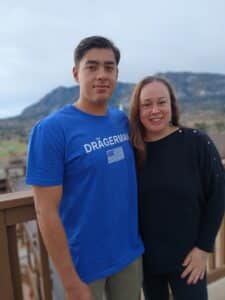
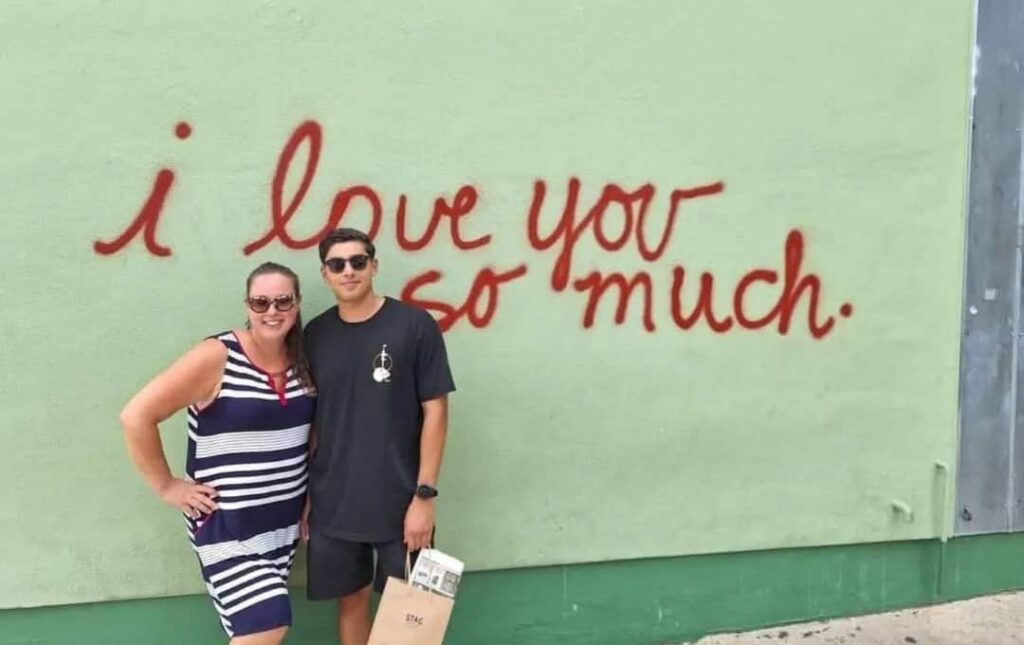
We texted for days trying to learn about one another, it was amazing. He was 21 years old and had already moved out of his parents house, so he had stories to tell! I told him my family was meeting in Minnesota for my niece's graduation and asked if he'd be interested in going and he quickly agreed. He was just as eager to learn about me and my family as I was about him. From there, the two of us have met up many times, all over the country. We still continue to meet up and chat all the time... it's beautiful. I feel so blessed to have him in my life.